Current recycling system falling short
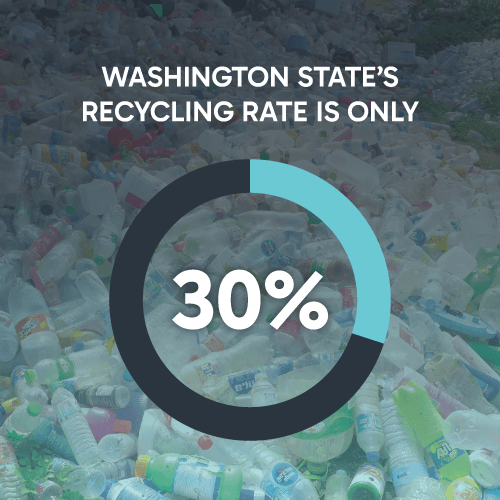
Washington's recycling system is letting us down. Even though we work hard and take pride in keeping our environment clean, only 30% of beverage containers - plastic, aluminum, or glass - are recycled today. Too much recyclable packaging ends up as litter and plastic pollution in Washington’s waterways, parks, and streets.
Pollution's Damage

Litter And Plastic Pollution In Our Waters
Litter and plastic pollution are harming our environment. And as increasing amounts of plastic, aluminum, and glass containers end up in Washington's waterways, it hurts vulnerable marine animals like salmon, orcas, and coastal birds.

Litter costs taxpayers money
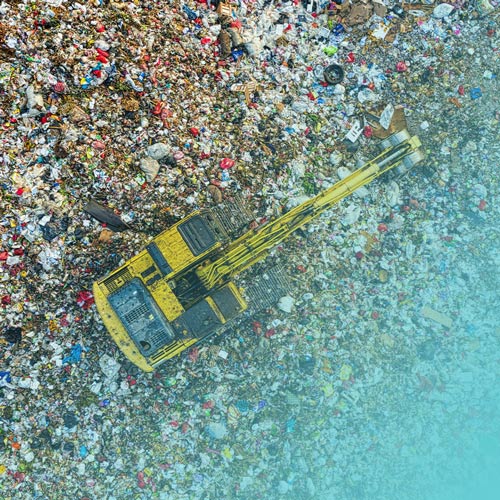
Currently in Washington, more than 26 million pounds of litter is collected along our roads and highways, costing the state $12 million per year in cleanup costs.

Pollution harms the economy and families
Plastic pollution in Washington’s farmlands and waterways harms local farmers and fishermen, threatens our food supply, and endangers the state’s salmon and shellfish industries—key parts of our economy, heritage, and local pride.
The solution: Recycling Refunds
Washington State has just enacted a sweeping environmental policy to address improvements in solid waste management. However, this new law does not enable an effective recycling program for highly recyclable plastic, aluminum, or glass beverage containers. Importantly, this new law does not address litter.
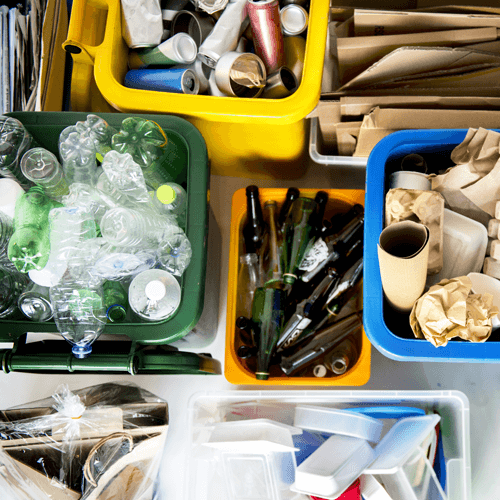
HB 1607/SB 5502 establishes a Recycling Refunds program where Washingtonians pay a 10-cent deposit when they purchase a drink in plastic, aluminum, or glass containers, and they receive a 10-cent refund when they return the container to be recycled or reused. Drop-off locations would be located throughout the state, including places that offer immediate refunds, in addition to stores in local communities that choose to participate in the program. These bag drop locations in retail parking lots would be funded by beverage companies, not Washington residents.
How a Recycling Refunds program will help
Research from other places that have similar programs - including Oregon and British Columbia- shows a recycling refunds program will increase recycling for these drink containers from 30% to 90%. This means a significant reduction in the waste we send to landfills and pollution to our waters. Individuals are motivated to recycle their containers because each container has value. Returning containers means getting a refund.
A recycling refunds program could reduce litter by more than 80%. Getting litter off the roads and out of waterways means helping the environment, protecting our waters, marine life, and food supply, as well as saving Washingtonians millions of dollars in litter clean up.